Firecrackers, Neon Trucks, and 3 A.M. Processions: Taiwan's Temple Festivals Are the Wildest Free Show on Earth
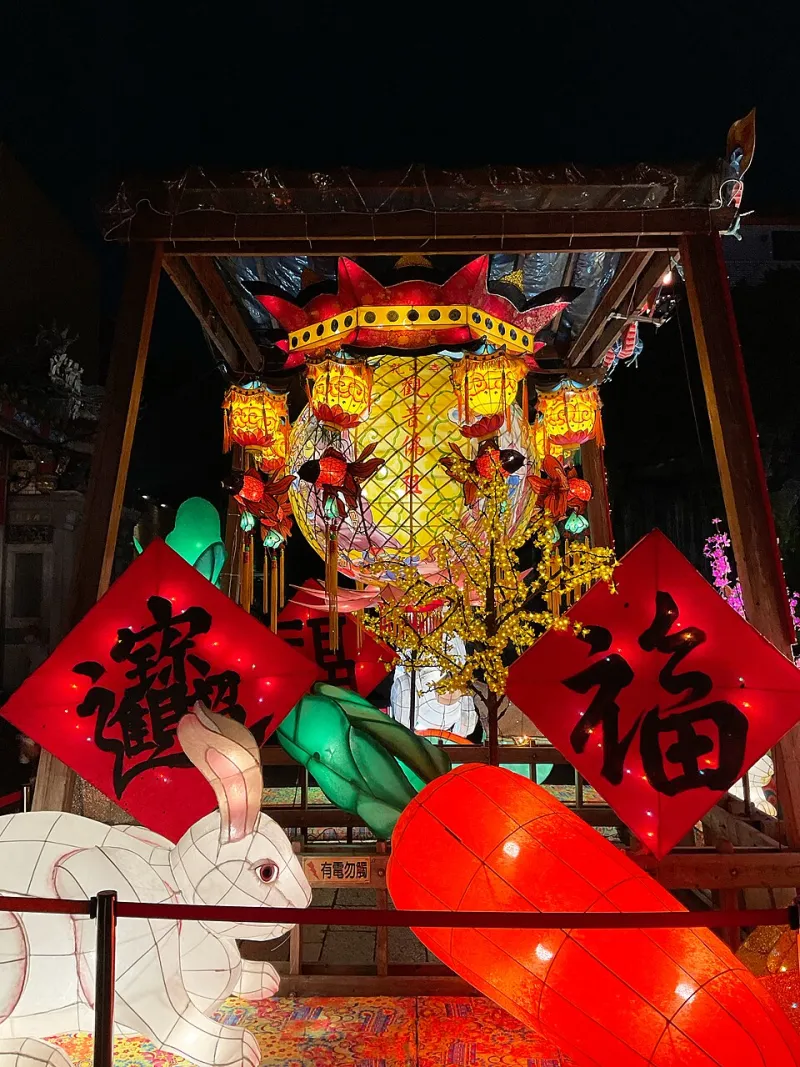
Photo: Oliver515, CC BY-SA 4.0, via Wikimedia Commons
The Night the Alley Turns Into a Venue
It usually starts with sound before you see anything. A low, thumping bass line creeps up a residential street in Tainan or Changhua around dusk, and then the corner opens up: a flatbed truck wrapped in LED panels, speakers stacked three high, a singer in a sequined jacket belting over backing tracks while a palanquin sways past a 7-Eleven. Firecrackers go off in a wall of smoke. Somebody hands you a paper cup of oolong. Nobody asks for your ticket, because there isn't one.
This is a temple festival — a miaohui — and if you have only ever experienced live music inside a venue with a security line and a merch table, it will rearrange your idea of what a concert can be. The music is only one part of it. The procession, the ritual, the food stalls, and the crowd all run together into a single continuous performance that can last three days and cover thirty miles.
What You're Actually Watching
Taiwan's temple festivals are religious events first. They mark a deity's birthday, a pilgrimage, or a purification rite, and the loud stuff — the sound trucks, the firecrackers, the costumed troupes known as zhentou — exist to announce the god's arrival and clear the road of bad luck. Think of the volume as liturgy, not concert soundcheck.
The pieces you'll notice most:
- Electronic flower trucks. Flatbeds rigged with lights and speakers, often with a performer on top. Originally a funeral and festival tradition, now a full-blown mobile stage culture with its own aesthetic and its own fan base.
- Zhentou troupes. Youth performance groups doing drum corps, lion dancing, god-general costumes, and choreographed formations. Competitive, athletic, and loud.
- Palanquin processions. The deity's statue travels in a decorated sedan chair carried by devotees. The crowd parts for it the way a crowd parts for a headliner.
- Firecrackers and fireworks. Sometimes a few strings. Sometimes, at Yanshui, literal walls of rockets fired into the crowd by the thousands.
- Night-market gravity. Every good procession drags a temporary food corridor behind it. Oyster omelets at 1 A.M. are part of the programming.
The Calendar: When to Book Flights
The circuit runs year-round, but a few windows are worth planning a trip around in 2026.
Lunar New Year and Lantern Festival (roughly late January to early March). This is the densest stretch. Tainan's Yanshui Beehive Fireworks is the extreme end of the spectrum — a ritual where racks of bottle rockets are fired directly into a crowd of devotees in helmets and raincoats. If that sounds like a hazard, it is; it's also one of the most intense things you can witness in Asia, and it happens on the fifteenth day of the first lunar month.
Spring pilgrimage season (March and April). The Dajia Mazu pilgrimage in central Taiwan is a nine-day, roughly 200-mile walk with the goddess Mazu, drawing millions of participants. It is not a show you attend; it is a river you step into. The Baishatun version is famous for its unpredictability — the palanquin's route is decided on the fly, which turns the whole thing into a live, unscheduled event.
Autumn (October and November). Pingtung's Donggang King Boat Festival, held once every three years, builds a full-size wooden boat, loads it with offerings, and burns it on the beach. The next one lands in the 2027 to 2028 range depending on the cycle, so check dates before you build a trip around it. Autumn is also when the weather finally stops trying to kill you.
Summer. Rituals still happen, but July and August are brutal, and the Ghost Month period is generally quieter on the procession front. If you're here for heat and crowds anyway, pack accordingly.
Where to Base Yourself
Tainan is the capital of this stuff — the old city has more temples per square block than coffee shops, and processions materialize without warning. Lugang and Beigang in central Taiwan are pilgrimage hubs with serious ceremony. Pingtung and Kaohsiung go hard on the southern circuit. Taipei has its own versions, but the scale and density live further south.
How to Show Up Without Being a Problem
The single biggest mistake American visitors make is treating a religious procession like a photo opportunity. Some practical rules:
- Never cross in front of a palanquin. Walk behind it. This is not a suggestion.
- Ask before photographing people in costume or at prayer. A nod and a gesture at your camera goes a long way. Some ritual moments are genuinely off-limits.
- Don't touch the altars, offerings, or statues. Hands off.
- Accept food if it's offered. It's hospitality, and refusing can read as rude. If you have dietary restrictions, a polite explanation works fine.
- Wear real ear protection. Not earbuds. Foam or musician's plugs. Firecrackers near your head are loud in a way that your ears will remember for a week.
- Dress for a long walk and a hot day. Breathable clothes, closed shoes, a hat. Some temples are worth covering your shoulders for.
- Stand to the side and stay put. Processions move around obstacles. The worst thing you can do is stop in the middle of the street to film a vertical video.
- Bring cash and a portable charger. No card readers out here.
One Honest Note
These festivals are not curated for visitors. There's no schedule app, no English signage explaining what's happening, and no one will announce the next act. You will be confused at least once. That's the deal — and it's also the reason the experience hits so hard. The temple speakers are calling because a community is doing something it has done for generations, and you happen to be standing in it.
Show up curious, keep your hands to yourself, and let the procession decide where the night goes. That's the whole ticket.