Draw or Die: How American Fans Are Cracking Taiwan's Concert Lottery System
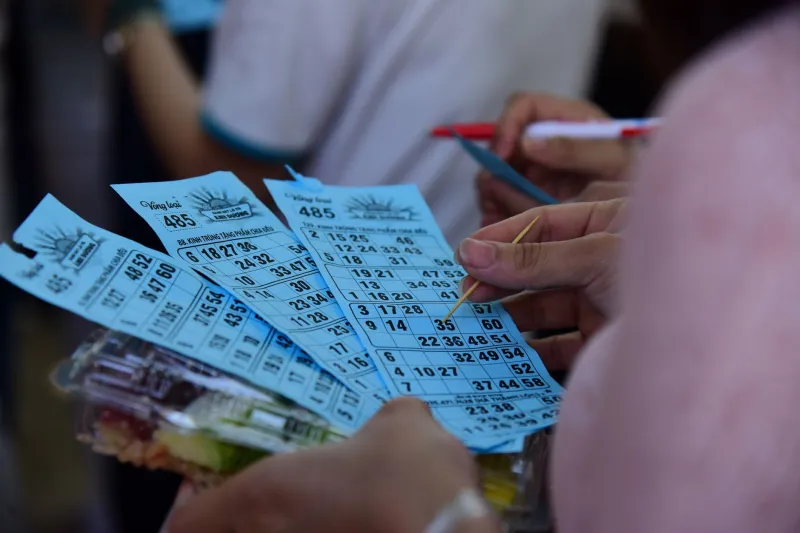
If you've ever tried to buy tickets to a major show in Taiwan and ended up staring at a waitlist screen while locals seemingly waltzed through the gate, you've already met Taiwan's concert lottery system. It's confusing, it's competitive, and — for a growing number of American fans — it's become something of an obsession to figure out.
Welcome to the ballot economy of Taipei's live music scene, where getting in isn't just about being fast on the checkout button. It's about knowing the rules, playing the system, and sometimes getting a little creative.
What Is the Taiwan Ticket Lottery, Exactly?
Unlike the US model — where tickets drop at a set time and it's essentially a speed race between your internet connection and everyone else's — Taiwan's system for high-demand events often uses a lottery-style allocation. Fans register during a window (sometimes days or even weeks before the actual draw), and then a randomized selection process determines who gets the chance to purchase.
It sounds fairer on paper. And in some ways it is. But the mechanics vary wildly depending on the promoter, the venue, and the platform handling the sale. KKTIX, one of Taiwan's dominant ticketing platforms, runs its own version of this system for mega-events. FamilyMart's ticketing kiosks add another layer of local complexity that trips up most international buyers before they even get started.
"The first time I tried, I didn't even realize I was registering for a draw — I thought I was just buying a ticket," says Marcus T., a San Francisco-based fan who flew to Taipei last year specifically to catch a sold-out pop showcase. "I got selected, paid, and only later understood how close I came to missing the whole thing."
Why US Fans Are Actually Well-Positioned
Here's the counterintuitive part: American fans, despite the geographic and language barrier, sometimes have real advantages in Taiwan's lottery system.
For starters, registration windows often open at times that align awkwardly with peak hours in Taiwan but land right in US morning or afternoon slots — meaning Americans who set alarms are competing in a pool that's slightly less saturated in the first few minutes. More importantly, many Taiwanese fans use a single primary platform account and register once. Savvy US fans have learned to maintain multiple legitimate accounts — using different email addresses and, where permitted, different purchasing identities — to increase their draw odds.
This isn't cheating, exactly. It's more like knowing the rules well enough to use them. Most lottery systems in Taiwan do not cap entries per household the way, say, a Radiohead fan club ballot might in the UK. You're playing the odds, and the odds reward preparation.
"I treat it like applying to college," laughs Dana R., a Chicago-based music journalist who has attended six Taiwan shows in the past two years. "You apply to multiple places. You write the best application you can. And then you wait."
The Registration Playbook
So what does the actual process look like for someone sitting in Austin or Atlanta trying to score tickets to a show in Taipei?
Step one: Get on KKTIX now. Don't wait until a show you want is announced. Create your account, verify your email, and add a payment method that works internationally. Taiwanese platforms have gotten much better at accepting foreign credit cards, but having a backup — like a Wise card or a PayPal-linked account — never hurts.
Step two: Follow local announcement channels. Taiwan's concert ecosystem moves fast, and information often breaks in Chinese-language spaces before it hits English-language press. Translation apps have made this dramatically more accessible. Set up Google Alerts for artist names plus "台灣" or "台北," and you'll often catch announcements before the English-language fan communities even notice.
Step three: Understand the draw window. Most lottery registrations run for three to seven days. Missing the open window is the single most common mistake international fans make. Set calendar reminders. Treat the registration deadline like a flight departure — there's no catching up.
Step four: Have a local contact if you can. This one's optional but genuinely useful. A friend or even a trusted fan community contact in Taiwan can help you navigate platform quirks, confirm your registration went through, and troubleshoot payment issues in real time. Reddit's r/taiwan and several Discord servers dedicated to Asian live music have become informal hubs for exactly this kind of cross-border coordination.
When the Lottery Doesn't Go Your Way
Not every draw ends in a win, and that's part of the deal. But Taiwan's secondary market — while nowhere near as predatory as StubHub-era US resale — does exist. Line groups and local Facebook communities often surface face-value or near-face-value resales from fans who won the draw but can't attend. These communities require some navigation, but they're generally more trustworthy than anonymous marketplace listings.
There's also the walk-up gamble. For certain venues and events, a small number of tickets are held back and released at the door. It's not guaranteed, and it requires you to already be in Taipei — but for fans who've made the trip and come up empty in the lottery, it's absolutely worth showing up.
The Bigger Picture
What's striking about all of this is how much effort American fans are willing to put in. These aren't casual concertgoers. They're people who've decided that a show in Taipei — with its world-class sound setups, intimate venue culture, and ticket prices that would make Madison Square Garden blush — is worth the logistical gymnastics.
And honestly? Once you've been through the Taiwan lottery system and come out the other side with a ticket in hand, the show hits different. You earned it. You played the game. And in Taipei, that game is almost always worth playing.