Stop Burning Cash: The Smart American's Blueprint for a Concert-First Taiwan Trip
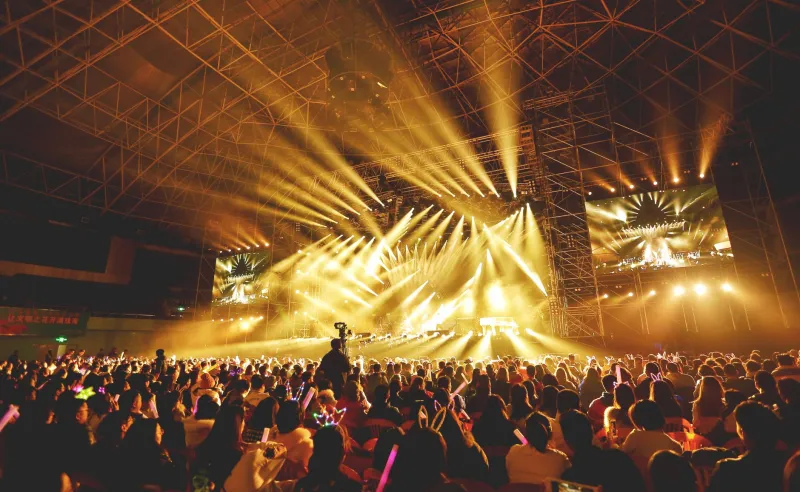
Let's be real — flying from the US to Taiwan is not a casual weekend decision. You're looking at a 14-to-17-hour journey depending on your departure city, and round-trip tickets can run anywhere from $700 to $1,400 depending on how far in advance you book. So if you're going to make the trip, you might as well make it count. And for music fans, "making it count" means building your entire itinerary around live events rather than squeezing a show in between a night market tour and a hot spring visit.
This guide is for the serious music tourist — the kind of person who checks tour schedules before booking flights. Here's how to do Taiwan the right way without hemorrhaging money on stuff that doesn't matter to you.
Nail the Timing Before You Book Anything
Taiwan's concert calendar has distinct peak seasons, and knowing them is the single most important variable in your planning. The sweet spot for live events tends to cluster around spring (March through May) and fall (September through November). These windows overlap with cooler, more comfortable weather and tend to attract the biggest international touring acts alongside major domestic festivals.
Summer in Taiwan is brutally humid, and while outdoor festivals do happen, the experience of standing in 95-degree heat with 90% humidity is not everyone's idea of a good time. That said, if you're targeting electronic music events or beach-adjacent festivals in southern Taiwan, summer actually works in your favor — venues are more adventurous with outdoor setups and the party energy is different.
December and January bring a different flavor: year-end arena shows from Taiwanese pop heavyweights like Jay Chou or A-Lin, plus countdown concerts that turn Taipei into a genuine spectacle. If K-pop or J-pop crossover events are your thing, these months often see regional tour stops in Taipei before acts move on to Southeast Asia.
The bottom line: pick your artists first, then pick your dates. Don't do it the other way around.
Where Americans Overpay (And How to Stop)
The tourist trap problem in Taiwan isn't really about overpriced attractions — entry fees to temples and parks are genuinely cheap. The money drain happens in three specific areas: hotels in the wrong neighborhoods, inflated resale ticket prices, and eating every meal near major landmarks.
For accommodations, Taipei's Zhongzheng and Da'an districts are popular for tourists but priced accordingly. If you're spending most of your time at venues, look at staying in Zhongshan or Xinyi — both are metro-accessible, loaded with affordable food options, and significantly closer to where the action actually is. Hostels and mid-range guesthouses in these areas can run as low as $30–$60 USD per night without sacrificing cleanliness or location.
For meals, the night markets aren't a tourist trap — they're genuinely the best value eating in the city. Raohe, Ningxia, and Shilin all deliver solid food at street prices. Where people go wrong is eating at the sit-down restaurants immediately surrounding major venues before and after shows. Those spots know their audience and price accordingly. Walk two blocks in any direction and you'll find the same quality food for half the cost.
Buying Tickets Without Getting Burned
Taiwan has a few dominant ticketing platforms, and understanding how they work will save you both money and frustration. KKTIX is the primary platform for indie shows, club events, and mid-size concerts. It's user-friendly and most pages have English toggle options. ibon (operated through FamilyMart convenience stores) handles a huge chunk of major venue ticketing — you can literally walk into any FamilyMart and pick up physical tickets, which is a genuinely useful option if you're already in Taiwan.
For bigger arena acts, ERA Ticketing and Ticket.com.tw are the go-to platforms. The catch is that high-demand shows sell out fast — sometimes within minutes — and the resale market on platforms like Facebook Marketplace and local LINE groups can get inflated quickly. If you're planning around a specific headliner, set calendar reminders for the presale window and have your payment method ready to go.
One pro tip: follow the official venue accounts on Instagram and Facebook well before your trip. Taiwan's major venues — including Taipei Arena, Legacy Taipei, and The Wall — regularly announce shows through social before ticketing links go live. Getting into that information flow early is the difference between face-value tickets and overpaying a scalper.
The Venues Outside Taipei That Serious Music Tourists Miss
Here's where most American visitors leave value on the table: they treat Taipei as the beginning and end of the Taiwan music scene. It's understandable — Taipei is where the majority of major shows land. But if you have even a few extra days, the cities beyond the capital offer live music experiences that are genuinely harder to find anywhere else in Asia.
Taichung has quietly developed a thriving underground scene. The city's smaller clubs and arts spaces host a rotating cast of electronic acts, indie rock nights, and experimental music events that feel more like Portland's DIY scene than anything you'd expect from a mid-size Taiwanese city. Getting there from Taipei takes about 45 minutes on the High Speed Rail — it's not a commitment, it's an afternoon.
Tainan leans more toward jazz, folk, and cultural performances. The city's historic character bleeds into its music venues, many of which are tucked inside repurposed heritage buildings. If you're into intimate shows where the room itself is part of the atmosphere, Tainan delivers in a way that bigger cities simply can't replicate.
Kaohsiung in the south has invested heavily in its arts infrastructure over the past decade. The Weiwuying National Kaohsiung Center for the Arts is a world-class facility that hosts everything from classical performances to contemporary crossover acts. Tickets here are often significantly cheaper than comparable shows in Taipei, and the city itself is dramatically undervisited by international tourists.
Building the Actual Budget
Here's a rough framework for a 10-day music-centric Taiwan trip departing from the West Coast:
- Flights: $800–$1,200 (book 2–3 months out for the best rates)
- Accommodation: $400–$600 (mid-range guesthouses, mix of Taipei and one secondary city)
- Concert tickets: $150–$400 (depending on how many shows and tier of seating)
- Food and transport: $250–$400 (Taiwan's public transit is absurdly affordable; MRT day passes are your friend)
- Miscellaneous: $100–$200
Total range: roughly $1,700–$2,800, which compares favorably to what you'd spend attending three or four major US festival weekends when you factor in lodging, food, and transportation. The difference is you're also getting an entirely new country out of the deal.
Taiwan isn't a cheap destination in the way Southeast Asia is, but it's incredibly efficient. Your money goes further here than in Japan or South Korea, the quality of live production is just as high, and the density of good shows relative to the size of the country is genuinely remarkable. Plan smart, and this trip pays for itself in experiences that you simply cannot replicate anywhere closer to home.