From Tiny Jazz Bars to Arena Stages: The Ultimate City-by-City Guide to Live Music Venues in Taiwan
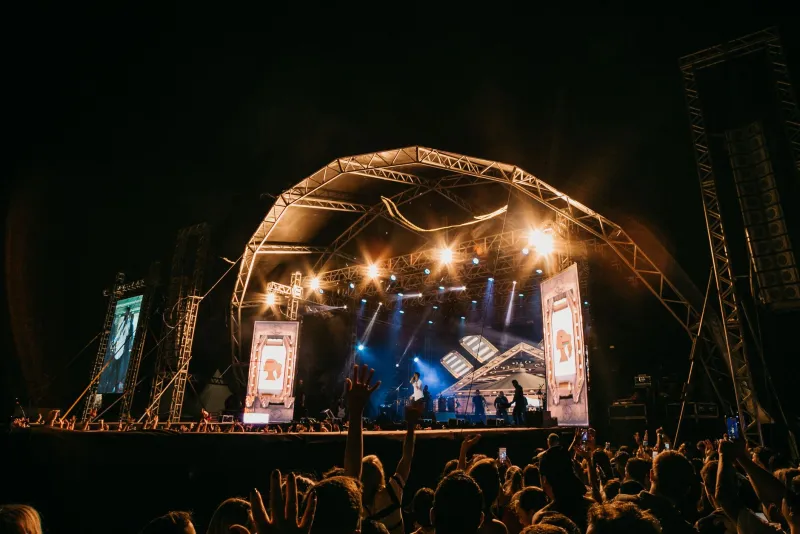
So you've decided Taiwan is your next music destination. Smart move. But here's the thing—showing up without a venue game plan is like flying into a city for Coachella without knowing where the festival grounds are. Taiwan's live music scene is genuinely world-class, and it spans everything from 80-person basement clubs to 15,000-seat arenas. The trick is knowing which rooms fit your vibe, and more importantly, how to get through the door before shows sell out.
Let's break it all down, city by city.
Taipei: The Beating Heart of Taiwan's Live Scene
If you're flying into Taiwan Taoyuan International Airport—which, as an American, you almost certainly are—Taipei is your first stop and honestly could be your only stop if you're tight on time. The city punches way above its weight for live music, and the venues range wildly in size and character.
Taipei Arena is the big one. Capacity sits around 15,000, and this is where you'll catch the blockbuster acts—think major K-pop groups, Mandopop superstars, and the occasional international crossover artist doing an Asian leg. If a show is listed here, expect production value that rivals anything you'd see at Madison Square Garden. Logistics-wise, it's easy to reach via the Nanjing Fuxing MRT station, which is a huge deal because post-show crowds can be chaotic.
Legacy Taipei is a different animal entirely. Capacity hovers around 1,000, and this is the venue that serious music fans talk about in hushed, reverent tones. It's hosted everyone from emerging Taiwanese indie acts to international touring bands doing intimate warm-up shows. The sound system is legitimately excellent, and the layout—standing floor with a raised platform at the back—means sightlines are solid no matter where you end up. If you're into discovering artists before they blow up, Legacy is your room.
For jazz specifically, Revolver in the Da'an District has been a fixture of Taipei's nightlife for years. It's small, it's loud in the best way, and the programming leans heavily into local jazz fusion and experimental sounds. You won't find it on a tourist map, but regulars will tell you it's one of the most authentic music experiences the city offers.
The Wall deserves a mention too. Located near Gongguan MRT, it's been a cornerstone of Taipei's underground scene for over two decades. Indie rock, punk, metal, electronic—if it's got an edge, it's probably played The Wall at some point. Capacity is tight (under 500), which means you're basically standing next to the band.
Taichung: Taiwan's Underrated Second City
A lot of American visitors skip Taichung entirely, which is honestly their loss. Taiwan's third-largest city has a thriving arts culture and a music scene that feels less saturated than Taipei—which means shows here often have a more communal, electric energy.
Taichung Intercontinental Baseball Stadium occasionally doubles as a concert venue for stadium-scale events, but for day-to-day live music, the action is more concentrated in smaller rooms around the Zhongqu and Xitun districts.
The Pluto is a mid-size club that books a strong mix of local electronic acts and regional touring artists. It's not fancy, but the programming is consistently interesting and the crowd skews younger and deeply into the music. Shows here tend to start late by American standards—don't show up at 8 PM expecting the headliner.
Taichung also hosts a number of outdoor festival-adjacent events throughout the year, many of which use parks and cultural spaces as makeshift stages. Keep an eye on LGEvent TW's listings closer to your travel dates to catch anything seasonal.
Beyond the Big Cities: Kaohsiung and Tainan
If you're doing a full Taiwan circuit—which we highly recommend—the southern cities are worth building into your itinerary.
Kaohsiung has the Kaohsiung Arena, a massive venue that hosts major touring acts and is architecturally one of the more striking buildings in the city. The surrounding Siziwan area is also packed with live music bars, especially on weekends.
Tainan leans more into cultural and folk performance, but it's increasingly hosting indie music events tied to its vibrant arts community. If your tastes run toward traditional Taiwanese music, experimental sound art, or anything that blurs the line between performance and cultural experience, Tainan will surprise you.
How Ticketing Actually Works in Taiwan
Okay, here's where most American visitors get tripped up. Taiwan's ticketing infrastructure is solid, but it operates differently from what you're used to with Ticketmaster or AXS.
KKTIX is the dominant ticketing platform for most mid-size and large events. The interface is available in English, and you can pay with international credit cards, which is a relief. Create your account before you land—some high-demand shows require account verification that can take a day or two.
ibon is another major ticketing system that operates through 7-Eleven kiosks. Yes, you can literally buy concert tickets at a convenience store, which is objectively amazing. If you're already in Taiwan and missed the online window, check the ibon machines at any 7-Eleven before assuming a show is sold out.
ERA Tickets handles a lot of the larger arena and stadium events. Their website is primarily in Mandarin, so having Google Translate handy is useful, or just use LGEvent TW's event pages which typically link directly to the correct purchase portal.
A few practical notes: shows in Taiwan sell out fast, especially for popular acts. Resale markets exist but are less formalized than in the US—be cautious buying from unofficial sources. Also, many venues have strict bag policies and some have phone-in-pocket rules for certain artist requests, so check ahead.
Tips for Making the Most of Your Taiwan Venue Crawl
Don't try to cram too many shows into a single night. Taipei's MRT stops running around midnight, and while taxis and ride-shares are available, post-show logistics can slow you down. Plan your venue-hopping with transit in mind.
Showing up early is always worth it. Unlike the US, where early arrival sometimes feels like overkill, Taiwanese concert culture rewards punctual fans. You'll get better spots, better merch selection, and sometimes even a sound check glimpse if you're lucky.
Finally—check LGEvent TW's calendar regularly. Taiwan's event landscape moves fast, and shows get announced with surprisingly short lead times. The best experiences here are often the ones you didn't plan six months in advance.