Why Smart American Fans Are Flying to Taipei to See K-pop and J-pop Acts Before the US Tour Dates Drop
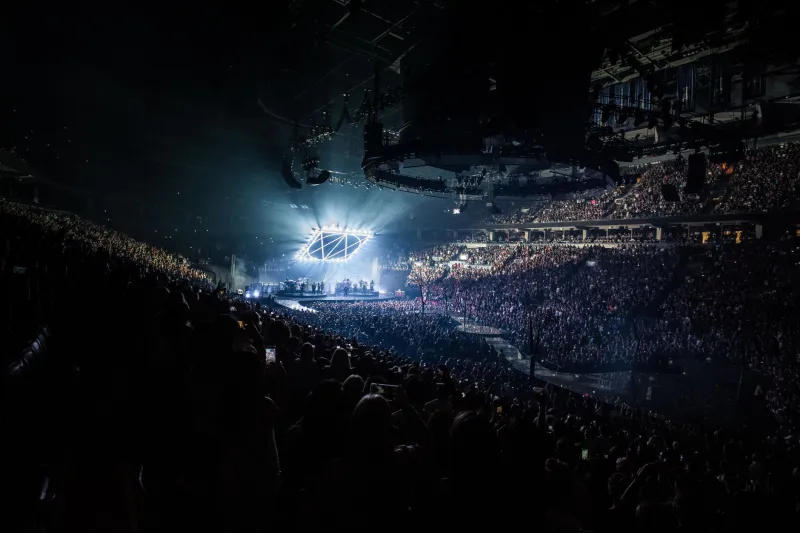
Let's be real: if you've ever tried to snag tickets to a BTS, Stray Kids, or Kenshi Yonezu show in Los Angeles or New York, you already know the drill. Bot-ravaged queues, resale prices that make your eyes water, and the very real possibility of watching from the nosebleeds of a 20,000-seat arena. But here's the thing — a growing wave of American fans has quietly figured out an alternative, and it involves booking a flight to Taipei before the US leg of a tour even gets announced.
Taiwan has become a genuine strategic launchpad for some of the biggest names in Asian pop music, and the reasons behind it are more interesting than you might think.
Why Artists Are Choosing Taipei First
Taiwan sits at a fascinating crossroads in the global music industry. Its audience is passionate, concert-literate, and willing to spend — all qualities that make promoters and tour managers take notice. Beyond that, Taipei's infrastructure for live events has matured significantly over the past decade. Venues like Taipei Arena, the Nangang Exhibition Center, and the outdoor grounds of Daan Forest Park have hosted everyone from BLACKPINK to Fujii Kaze, and they've done it smoothly.
From a logistical standpoint, Taiwan is also a low-friction market. English-language signage is widespread, the city is easy to navigate, and production crews report fewer bureaucratic headaches compared to some other stops in the region. For artists testing new stage setups, new setlists, or new production elements before rolling into the pressure cooker of a MSG or Crypto.com Arena show, Taipei is basically a dress rehearsal that still sells out.
There's also a cultural warmth factor that artists and their teams talk about openly. Taiwanese audiences are known for their energy and genuine appreciation — the kind of crowd response that gets shared on social media and builds international buzz organically. That's marketing gold before a US tour announcement.
How Taipei's Venues Actually Stack Up
Here's where it gets genuinely interesting for American fans doing the math. Taipei Arena holds around 15,000 people — comparable to Madison Square Garden in capacity but with a layout that feels noticeably more intimate for floor-level attendees. Sight lines are solid throughout, sound systems have been upgraded repeatedly in recent years, and the floor-to-stage distance at many configurations is dramatically shorter than what you'd experience at, say, the Forum in Inglewood.
For stadium-scale productions, the Taipei Municipal Stadium and surrounding open-air venues have accommodated crowds pushing 40,000 — but even at that scale, the fan culture in Taiwan tends to create a more communal experience. Light stick synchronization, organized fan sections, and pre-show fan gatherings outside venues are all standard parts of the package.
In short: you're often closer to the stage, the production is already polished, and the crowd energy is completely different from a North American audience that may be hearing a set for the first time.
Booking Tickets from the US: The Practical Breakdown
Okay, so you're interested. Here's how to actually make this happen without losing your mind.
KKTIX is Taiwan's dominant ticketing platform, and it's your first stop. The interface has English-language support, and most major concert listings go live here. Create an account early — before you even know which show you want — because having a verified account speeds up the purchase process considerably when tickets drop.
ibon (the 7-Eleven ticketing kiosks) is another option, but it's primarily useful if you're already on the ground in Taiwan. For international purchases, KKTIX or the artist's official Taiwanese fan club presale channels are your best bet.
A few practical notes: Some events require a Taiwanese national ID for registration, which is where fan communities come in. English-language Facebook groups and Discord servers dedicated to K-pop and J-pop events in Taiwan often have local members willing to assist international fans with purchases — for a small service fee or just out of genuine community spirit. Do your research, use trusted community spaces, and avoid third-party resellers who jack up prices the same way they do stateside.
Credit cards with no foreign transaction fees are essential. And book your flights and accommodation at the same time as your ticket purchase — Taipei hotels near the venue fill up fast on concert weekends.
The Unexpected Perks of Going First
Beyond just seeing the show, catching an Asian pop act in Taipei before the US leg of their tour comes with some genuinely unexpected bonuses.
You'll often see a more experimental version of the setlist. Artists refine their shows over the course of a tour, and early dates — especially in markets where they feel comfortable — sometimes include deeper cuts, different stage banter, or production elements that get trimmed later for efficiency. You're seeing the show before the formula locks in.
Fan merchandise is another angle. Tour-exclusive items sold in Taipei are often different from what gets offered at US venues, and the lines are frequently shorter. Limited-edition regional merch has its own secondary market value, but more importantly, you just get cooler stuff.
And then there's the city itself. Taipei is one of the most underrated travel destinations in Asia for American visitors — night markets, incredible food at every price point, day trips to places like Jiufen or Taroko Gorge, and a general vibe that rewards slow, curious exploration. Wrapping a concert trip around a four or five-day Taipei itinerary isn't hard to justify once you start adding it up.
How to Stay in the Loop
If you want to track which artists are scheduled to stop in Taipei before hitting the US, a few resources are worth bookmarking. LGEvent TW covers major concert announcements as they happen, and our event listings are updated regularly with ticketing links and dates. Social media accounts for major Taiwanese concert promoters — like B'in Live and IMC Live — are also worth following directly.
The window between a Taipei date and a US date is often three to six months, which is plenty of time to plan if you're paying attention. Set up Google alerts for your favorite artists combined with keywords like "Taipei concert" or "Taiwan tour date" and you'll catch announcements early.
The fans who've already figured this out aren't keeping it a secret exactly — but they're not shouting about it either. Now you know.