Your First Taiwanese Cultural Festival: An American's No-Nonsense Playbook for Doing It Right
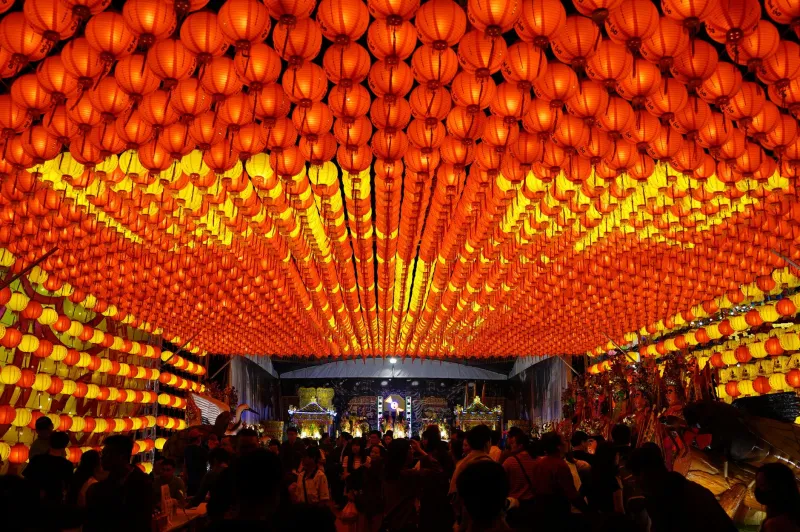
Imagine releasing a paper lantern into a dark sky above the mountains north of Taipei, surrounded by thousands of people doing the same, the air glowing orange and gold as far as you can see. Or picture yourself standing at the edge of a temple courtyard at midnight while a procession of drummers, lion dancers, and elaborately costumed performers winds through narrow streets lit by firecracker smoke. These aren't things you stumble into accidentally — they're Taiwan's living cultural traditions, and they're available to any visitor willing to show up with a little preparation and a lot of openness.
For Americans used to festivals that come with lanyards, app-based schedules, and branded hydration stations, Taiwan's cultural celebrations can feel delightfully — and occasionally disorienting — different. This guide is here to close that gap. Consider it your pre-departure briefing.
The Big Three: Festivals Every Visitor Should Know About
The Lantern Festival (元宵節)
When it happens: Fifteen days after Lunar New Year, typically falling in February or early March.
The Pingxi Sky Lantern Festival, held in the mountains northeast of Taipei, is the one that tends to show up on travel bucket lists — and for good reason. Thousands of participants write wishes on paper sky lanterns before releasing them simultaneously into the night sky. The visual effect is genuinely breathtaking in a way that photographs only partially capture.
But Pingxi isn't the only game in town. The Taipei Lantern Festival, held in a different city district each year, features elaborate illuminated art installations, cultural performances, and interactive exhibits spread across a large public space. It's more accessible for visitors who aren't up for the mountain journey to Pingxi, and honestly, it's spectacular in its own right.
Practical note: Pingxi gets extremely crowded. Train tickets on the Pingxi Line sell out weeks in advance. Plan this one early, or use a guided tour that handles logistics. LGEvent TW posts updated ticketing and transportation info each year as the festival approaches — check our events calendar before you commit to anything.
Ghost Month (鬼月) and the Hungry Ghost Festival
When it happens: The seventh month of the lunar calendar, typically falling in August.
This one surprises a lot of American visitors who arrive in August expecting summer festivals and instead find Taiwan in the middle of one of its most spiritually significant periods. Ghost Month is the time when, according to Taiwanese folk belief, the gates of the underworld open and spirits roam freely among the living. It's observed with temple ceremonies, roadside offerings of food and incense, elaborate paper-burning rituals, and in some areas, large public events featuring traditional opera performances staged specifically for spiritual audiences.
The Keelung Ghost Festival, centered in the port city just north of Taipei, is the most famous of these events and draws visitors from across Taiwan and beyond. Lanterns are floated on the water to guide spirits, and the city takes on an atmosphere that's simultaneously solemn and festive in a way that's genuinely unlike anything most Westerners have experienced.
Etiquette alert: Ghost Month comes with a set of traditional do's and don'ts that locals take seriously. Avoid pointing at offerings or spirit money burning on the roadside. Don't kick or step over roadside offerings. If you're attending a temple ceremony, follow the lead of those around you, keep your voice respectful, and ask before photographing anything that looks ceremonial. Curiosity is welcome; irreverence is not.
Temple Fairs (廟會)
When they happen: Year-round, tied to the birthdays of various deities in the Taiwanese folk religion calendar.
If you only experience one thing in Taiwan that isn't on a standard tourist itinerary, make it a temple fair. These community celebrations — organized around the birthday of a local deity — are chaotic, loud, colorful, and completely absorbing. Expect firecrackers (a lot of them), traditional eight-generals troupes in elaborate makeup, electronic flower floats blasting techno-adjacent music at ear-splitting volume, and street food vendors setting up along every available sidewalk.
The Mazu pilgrimage, honoring the goddess of the sea, is the largest recurring temple fair event in Taiwan and one of the biggest religious processions in the world. The nine-day event covers hundreds of miles across central Taiwan and involves hundreds of thousands of participants. Even catching a portion of the route as a spectator is an experience you won't forget.
Etiquette Essentials for Western Visitors
Taiwan is genuinely one of the most foreigner-friendly destinations in Asia, and Taiwanese people are famously hospitable. That said, a few ground rules will help you navigate cultural events with respect:
- Dress modestly at temples. Shoulders and knees covered is the standard. Most temple entrances will have a sign if there are specific requirements.
- Follow the incense protocol. If someone offers you incense at a temple, it's a gesture of inclusion. Hold it respectfully with both hands, bow slightly toward the altar, and follow whatever motions you see others making. You don't need to be a believer to participate respectfully.
- Ask before you shoot. Photography is generally fine at public festival events, but pointing a camera directly at someone performing a ritual or praying without asking first is considered rude. A smile and a questioning gesture usually gets you a thumbs-up.
- Eat everything. Festival food in Taiwan is extraordinary. Don't overthink it.
- Keep the noise appropriate. Some temple events, particularly evening ceremonies, have a more reverent atmosphere than the daytime street fair chaos might suggest. Read the room.
Navigating Ticketing and Event Planning
Here's where things can get genuinely complicated for American visitors. Many of Taiwan's cultural festivals are free public events — no ticket required, just show up. But some events, particularly large-scale lantern festivals or headline performances within larger celebrations, do require tickets or advance registration.
Taiwanese ticketing platforms like KKTIX and ibon are the primary channels for paid events, but they're primarily designed for Mandarin-speaking users. Credit card processing for international cards can occasionally be inconsistent. This is exactly the problem that LGEvent TW is built to solve. Our platform aggregates event listings, provides English-language event details, and offers guidance on how to secure tickets for events that require advance booking — without requiring you to navigate a Mandarin-language interface from a hotel lobby in Taipei.
Bookmark lgevent-tw.com before your trip. Seriously.
Best Times to Visit for Cultural Events
- January–February: Lunar New Year celebrations, leading into the Lantern Festival. The most festive time of year across the entire island.
- March–April: Mazu pilgrimage season in central Taiwan; spring temple fairs picking up.
- August: Ghost Month events; Keelung Ghost Festival.
- October: Double Ten National Day celebrations in Taipei; fall temple fair season.
One Final Thought
Taiwan's cultural festivals aren't tourist attractions in the traditional sense — they're living traditions that have been maintained by communities for generations. The fact that you're welcome to witness and even participate in them as an outsider is a reflection of Taiwanese generosity, not an invitation to treat them as content for your social feed.
Come curious. Come respectful. Come hungry. Taiwan will take care of the rest — and LGEvent TW will help make sure you don't miss a thing.