When a Typhoon Eats Your Set Time: A Practical Survival Plan for Weather-Proofing a Taiwan Concert Trip
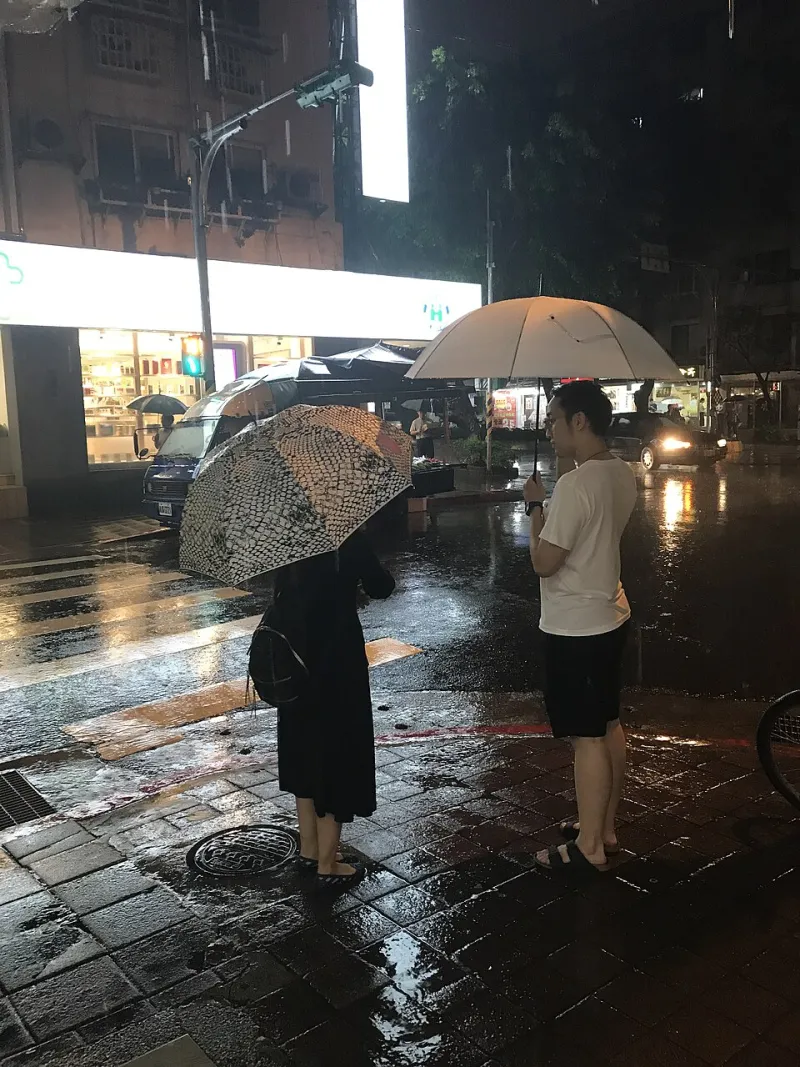
Photo: 玄史生, CC0, via Wikimedia Commons
The Forecast Is Part of the Itinerary
If you're flying fourteen hours to see a show, you probably aren't thinking about the Pacific typhoon track. You should be. Taiwan's concert calendar runs right through some of the most volatile weather on the planet, and the difference between a great trip and a wasted one usually comes down to how much slack you built into your bookings before you ever left home.
This isn't a scare piece. It's a planning piece. Here's how to structure a show-focused trip so that one bad weather day costs you an afternoon instead of a whole itinerary.
Know the Two Weather Windows
Typhoon season runs roughly June through October, with the highest risk from July to September. Storms form in the western Pacific and can shift track within 48 hours, which means a show can be cancelled, postponed, or moved indoors with very little notice.
The May-to-June plum rain front brings weeks of steady, soaking rain rather than dramatic storms. Less disruptive to flights, more disruptive to your shoes and your outdoor-venue plans.
Summer heat is its own hazard. Taipei regularly pushes past 35°C (95°F) with brutal humidity from June through September. Outdoor festivals in that window are a stamina test, not a picnic.
The sweet spot for a concert trip: late October through April. Fewer storms, comfortable temperatures, and the heaviest touring season in the region.
Book Like the Weather Might Win
A few habits make a huge difference:
- Fly into one city, out of another. Taipei in, Kaohsiung out (or vice versa) means a cancelled show in one city doesn't strand your whole trip.
- Use fully refundable or pay-at-property hotels. The price gap is smaller than you think, and it's the single easiest hedge you can buy. Avoid prepaid non-refundable rates for anything in typhoon season.
- Buy travel insurance that explicitly covers weather-related event cancellation. Read the policy. Many standard plans cover trip delay but not a concert you're no longer attending.
- Leave a buffer day before your flight home. Airlines in Taiwan are generally good about rebooking during storms, but the backlog can take a day or two to clear.
- Don't book your only must-see show on your first or last night. Weather plus jet lag plus a fixed departure is a bad combination.
The High-Speed Rail Is Your Reset Button
Taiwan's high-speed rail (THSR) links Taipei and Kaohsiung in about 90 minutes, with stops in Taichung, Chiayi, and Tainan. When a show in one city falls through, this is your recovery tool: there is almost always something happening somewhere on the line, and you can be there by dinner.
A few practical notes:
- Book THSR seats through the official app or at station machines. Off-peak and non-reserved cars are cheaper and usually available.
- Trains can be suspended during a direct typhoon hit. Check the THSR site and app before you leave for the station — don't just show up.
- The conventional rail line (TRA) and intercity buses are the backup when the high-speed line is down, but budget extra hours.
- Domestic flights to Hualien, Taitung, and the offshore islands are the first thing to get scrubbed in bad weather. If an island show is the centerpiece of your trip, build in two extra days.
What Actually Happens When a Show Gets Cancelled
Promoters in Taiwan generally announce changes on their own social channels first — Instagram and Facebook, sometimes a LINE group for ticket holders — and the ticketing platform emails second. Follow the promoter and the venue before you travel, and turn on notifications.
On refunds: if the organizer cancels or postpones, most platforms in Taiwan process a full refund through the original payment method, often minus a small handling fee, within a stated window. If you bought resale, you're on your own — which is one more reason to buy primary when you can.
A few local realities worth knowing:
- Typhoon days are official. When the government declares a closure, offices, schools, and many businesses shut. Concerts usually follow, but not always — small indoor shows sometimes go ahead.
- The MRT often keeps running during a declared typhoon day, though surface-level service and buses may be reduced.
- Convenience stores stay open. Your food plan will survive.
- Nobody expects you to go out. Locals treat a typhoon day as a stay-in day, and a concert that gets postponed isn't treated as a crisis. Match that energy.
Heat and Rain: The Smaller, More Constant Problems
Most trips aren't derailed by a typhoon. They're ground down by 34°C afternoons and sudden downpours.
For heat: schedule outdoor sightseeing before 10 A.M. and after 5 P.M. Carry a refillable bottle — Taiwan's convenience stores and many public spaces have water stations. Bring electrolyte tablets. Outdoor festivals often allow small umbrellas; check the venue rules. And plan a mid-afternoon indoor reset (a mall, a museum, a movie theater) instead of powering through.
For rain: a packable rain jacket beats an umbrella at crowded outdoor shows, and a cheap poncho from any convenience store will save you. Shoes matter more than you'd expect — Taiwan's streets puddle fast. Bring a second pair.
For outdoor venue swaps: promoters often move a show indoors or to a covered space rather than cancel. Watch the venue's social feed on the day of the show, not just the ticket platform. And keep your ticket QR code accessible offline, because a soaked phone is a real problem.
The Local Habit That Saves Itineraries
The most useful thing you can copy from locals is flexibility about when things happen. Taiwanese show culture is relaxed about start times and hard-nosed about logistics — doors open late, sets run long, and life goes on. Build your trip with two anchor shows and three optional ones instead of a locked grid, and treat a weather cancellation as permission to go eat something excellent in a city you hadn't planned to visit.
Pack for the forecast. Book for the possibility that the forecast is wrong. Then go see the show.