Taipei After Dark: Why the Real Show Starts When the Lights Come On at 2 AM
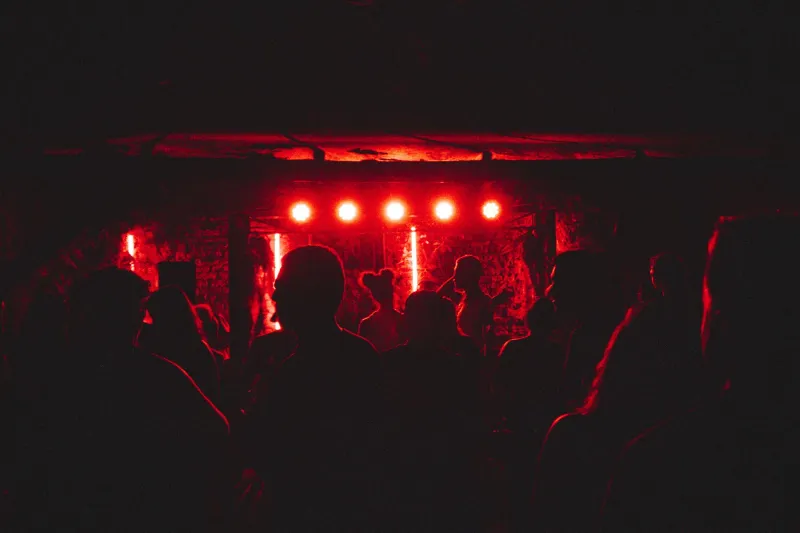
The encore ends. The house lights come up. The crowd files out into the warm Taipei night, and most of them — especially the tourists — head straight to the MRT or flag down a taxi.
Big mistake.
Because in Taipei, the moment the official concert wraps up is often just the beginning. The city has a deeply layered after-hours music culture that runs parallel to its headline events, and American fans who've stumbled into it tend to describe the experience the same way: like finding a secret room inside a house you thought you already knew.
The Architecture of a Taipei Music Night
To understand why Taipei's post-show scene is so rich, you have to understand how the city thinks about nightlife. Unlike US cities where clubs and bars are largely siloed from the live music world, Taipei's entertainment districts — Da'an, Zhongshan, Ximending, and the labyrinthine alleys of Gongguan — are built for fluid movement between spaces.
A major concert at Legacy Taipei or Zepp New Taipei doesn't exist in a vacuum. It anchors an entire evening's ecosystem. Promoters, artists, and venue operators all know this, and many of them actively plan for what happens after the last song.
"We think about the whole night, not just the show," says a venue manager at a Zhongshan-area club who asked to remain unnamed. "When a big act plays nearby, we know some of those people are going to end up here. We plan the lineup around it."
Where the Artists Actually Go
Here's the thing that American fans don't always realize: the headliner often isn't done performing when they walk offstage. Taipei has a well-established tradition of artists — both international visitors and local acts — showing up at smaller venues for informal sets after their main gig.
These aren't announced. They're not on any ticketing platform. They're communicated through a loose network of venue owners, promoters, and connected fans who've built relationships over years of showing up. Instagram stories dropped with cryptic location tags. A message in a WhatsApp group at 11:45 PM. A QR code on a flyer handed out near the venue exit.
Jazz musicians are especially active in this culture. Taipei has a small but fiercely dedicated jazz community centered around spots in the Da'an district, and it's not unusual for a touring artist who played a full set earlier in the evening to pull up a chair and sit in with a local trio for another hour or two. No cameras, no setlist, no production. Just playing.
"I watched a guy play a full arena show and then, four hours later, I'm in a basement with maybe thirty people watching him noodle through standards with a local pianist," says Kevin L., a Seattle-based music fan. "That's not something that happens in the States. Not like that."
The Unwritten Rules
Accessing Taipei's after-show world requires some cultural calibration, and Americans who approach it like a US nightclub — loud, transactional, camera-first — tend to find doors closing quickly.
The scene runs on discretion and reciprocity. If someone tips you off to a location, you don't blast it on social media. If you're let into a space, you're expected to buy a drink, stay for the music, and not treat the artists like photo opportunities. The vibe is collaborative, not performative.
Dress codes are relaxed — Taipei's late-night music spaces lean casual — but energy matters. These venues can tell the difference between someone who's there for the music and someone who's there for content.
"We don't have a velvet rope," says the owner of a small electronic music venue near Ximending. "But we do have a vibe check. If you come in respectful and curious, you're welcome. If you come in entitled, you'll feel it."
A Practical Map for American Fans
So how do you actually get into this world on a trip to Taipei? A few starting points:
Build relationships before you arrive. Follow Taipei-based music accounts on Instagram and engage genuinely. Comment on posts, ask questions, be a real person. By the time you land, you've got a foot in the door.
Hang around after the show. This sounds obvious, but most tourists don't do it. Linger near the venue, especially near the stage door and the merch area. The people who know where the night is going are often right there.
Check Telegram and Line groups. Taiwan's after-dark music community communicates heavily through these platforms. There are English-friendly groups specifically for international music fans — a quick search in music-focused Reddit communities or Discord servers will surface them.
Know the neighborhoods. Da'an for jazz and indie. Zhongshan for electronic and art-forward club nights. Ximending for hip-hop and youth-oriented events. Gongguan for DIY and experimental. Each has its own after-hours rhythm.
Go to the smaller shows first. Before you try to crack the inner circle of a post-arena-show jam session, attend a few smaller Taipei gigs. You'll meet the right people, get a feel for the culture, and earn some credibility just by showing up and being present.
Why This Changes the Entire Trip
For American fans who come to Taiwan primarily for a headlining concert, discovering the post-show scene tends to reframe the whole visit. The main event becomes the anchor, not the destination. Suddenly a three-day trip to Taipei has five or six layers of musical experience stacked inside it.
And the economics make it even more compelling. Drinks at Taipei's late-night music venues are priced at a fraction of what you'd pay in New York or LA. Cover charges — when they exist at all — rarely crack twenty dollars. You can spend an entire night moving between spaces for what you'd spend on one round at a Manhattan bar.
Taipei's after-dark music world isn't trying to be discovered. It's been there all along, doing its thing, letting the right people find it. The Americans who've made it past the surface level come back every year — not just for the concerts, but for everything that happens after.