American Concert Tourists Are Accidentally Turning Taiwan's Festival Economy Into a Goldmine
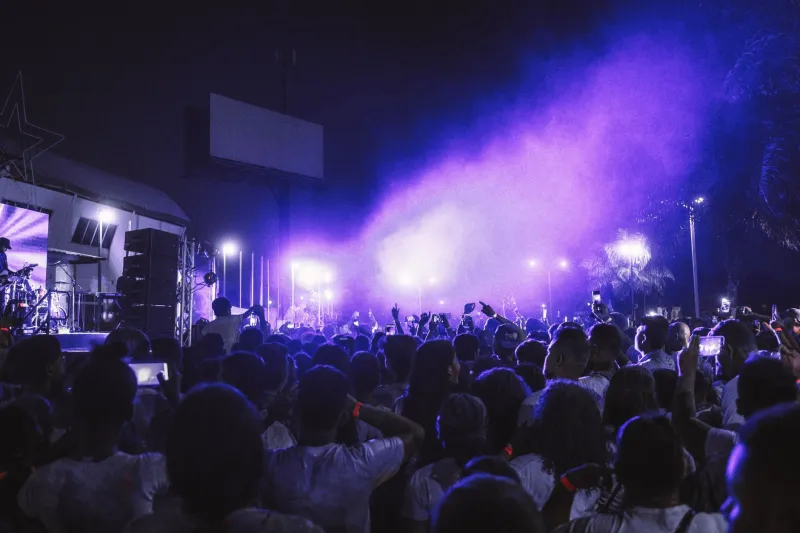
Nobody planned it this way. There was no marketing campaign, no targeted ad spend, no influencer activation specifically aimed at getting Americans to fly twelve-plus hours to catch a music festival in Taichung or a two-night concert run in Taipei. It just... happened. And now that it's happening at scale, the people running Taiwan's events industry are scrambling to figure out how to keep it going.
The short version: American concert tourists are spending a lot of money in Taiwan. More than organizers expected. More, frankly, than some of them know what to do with.
The Spending Gap Nobody Anticipated
Here's the number that keeps coming up in conversations with festival organizers across Taiwan: American attendees are consistently spending three to five times more than their domestic counterparts over the course of a festival weekend.
That gap isn't primarily about ticket prices — those are often the same for everyone. It's about everything else. Taiwanese locals attending a weekend festival might drive in from a nearby city, split an Airbnb with friends, grab street food between sets, and head home Sunday night. An American who flew seventeen hours from Los Angeles to be there? They've already committed to the experience in a way that changes every spending decision they make.
They book hotels for five or six nights, not two. They eat out at restaurants they've been saving on their Taiwan bucket list for years. They buy merchandise not just from the headliner but from every local act that caught their ear. They hire guides, book day trips, and spend on experiences they'd never consider at a domestic festival because they're already in vacation mode.
"We started noticing it at the merch tables first," said one organizer involved in a major annual festival in northern Taiwan. "The international guests — especially Americans — were buying multiple items, buying for friends back home, asking if we shipped internationally. The domestic crowd buys one thing, maybe two. The Americans were cleaning out entire sections."
Tour Operators Are Paying Close Attention
The travel industry noticed this pattern before the event industry did, which is how you end up with boutique tour operators building Taiwan itineraries specifically structured around festival weekends.
A handful of US-based travel companies have quietly launched Taiwan concert packages in the last two years — multi-night itineraries that bundle festival tickets with curated hotel stays, food tours, and cultural experiences. The pitch is straightforward: if you're already flying to Taiwan for the music, why not have someone handle the logistics while you maximize the experience?
"Our Taiwan packages started as a niche offering," said one operator who runs music-focused travel programs out of Seattle. "We added it almost experimentally. Within two booking cycles it was one of our top-selling destinations. The demand caught us completely off guard."
That demand is being driven, at least in part, by the price reality of Taiwan travel. Even with long-haul flights factored in, a week in Taiwan attending festivals and concerts often comes in under what a comparable music-focused trip to Europe would cost — and the experience density is arguably higher.
What the Data Actually Shows
While comprehensive industry-wide figures are hard to come by (Taiwan's live events sector is still building out its data infrastructure), the signals from individual events are consistent enough to form a picture.
Festivals that have started tracking attendee origin data report that international visitors — with Americans making up a growing slice — account for a disproportionate share of on-site spending. One multi-day festival in central Taiwan estimated that international attendees represented roughly 8% of total ticket sales but over 25% of total on-site merchandise and food revenue.
Hotels in festival-adjacent neighborhoods have picked up on the pattern too. Properties near major Taipei concert venues report higher average booking lengths and higher average nightly rates during major event weekends, driven largely by guests who list international addresses. Some have started offering event-adjacent packages — late checkout, luggage storage, even shuttle arrangements to venues — specifically to capture this segment.
Festivals Are Starting to Market Back
For years, Taiwan's major festivals operated with an almost exclusively domestic marketing posture. The assumption was that international attendance was a nice bonus, not something worth spending budget to cultivate. That's changing.
Several of the island's larger annual events have added English-language content to their websites, started posting on platforms with significant US userbases, and begun working with travel media — including outlets like this one — to get in front of American audiences before tickets sell out.
"We realized we were leaving money on the table," said a marketing director at one of Taiwan's most prominent multi-day festivals. "Not just ticket money — the whole ecosystem around the event. Every American who comes for the music is also eating in our local restaurants, staying in our hotels, visiting our night markets. The festival is the reason they came, but the city benefits from everything they do while they're here."
That spillover effect is increasingly being factored into how local governments think about supporting the events industry. When a festival can demonstrate that it's attracting high-spending international visitors, the case for public support — venue subsidies, infrastructure investment, promotional partnerships — gets a lot easier to make.
The Feedback Loop
There's another dimension to this story that doesn't show up in spending data: the word-of-mouth effect that American concert tourists generate when they get home.
Someone who flew to Taiwan for a festival weekend and had an extraordinary experience doesn't just keep that to themselves. They post. They talk to friends. They write reviews. They show up on travel forums recommending Taiwan as a music destination with a specificity and enthusiasm that no paid campaign can replicate.
For LGEvent TW readers already embedded in Taiwan's live events scene, this creates an interesting opportunity. The American fans who are discovering Taiwan through its music are becoming some of the island's most effective — and completely unpaid — ambassadors. And the more the industry leans into serving them well, the stronger that feedback loop becomes.