Skip Coachella: Taiwan's Festival Scene Is the Sleeper Hit American Music Fans Have Been Ignoring
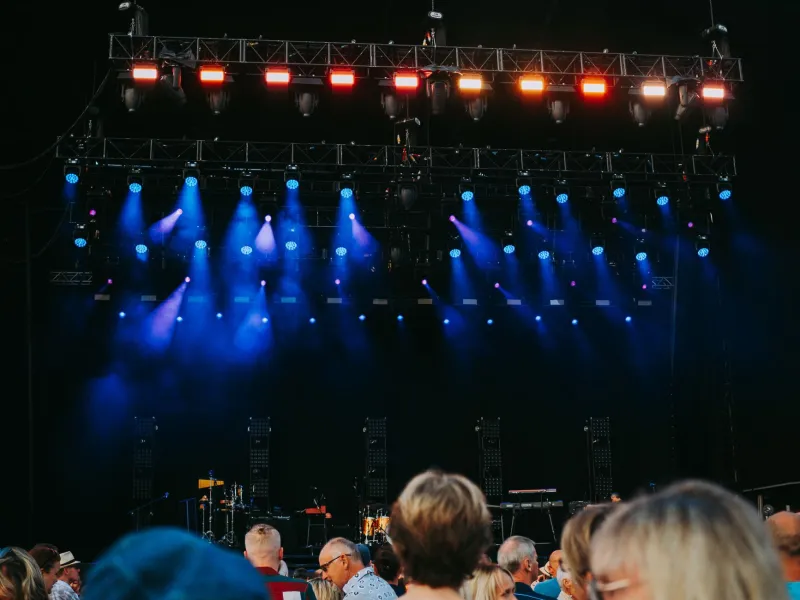
Let's be honest: the American festival circuit is starting to feel a little stale. Coachella tickets sell out before most people even check their bank accounts. Bonnaroo is a sweaty gamble every June. Lollapalooza in Chicago? Great, if you enjoy paying $18 for a warm beer while standing behind someone's GoPro rig. Meanwhile, halfway around the world, Taiwan has been quietly throwing some of the most exciting music festivals in Asia — and barely anyone in the US is talking about it.
That's changing fast. And if you're a concertgoer who values genuine discovery over Instagram-ready moments, Taiwan deserves a serious spot on your radar.
A Scene Built on Passion, Not Just Profit
Taiwan's festival culture didn't grow out of corporate sponsorship deals and influencer marketing. It grew organically from a deeply passionate local music community that has been nurturing indie rock, electronic, jazz, and hip-hop scenes for decades. Events like the Spring Scream festival in Kenting — often called the "Taiwanese Woodstock" — have been running since the 1990s, long before Taiwan's cultural exports started catching Western attention.
What you get at these events is something increasingly rare in the US festival world: a sense that the crowd actually cares about the music. Taiwanese audiences are knowledgeable, enthusiastic, and surprisingly welcoming to foreign visitors who show up with genuine curiosity. You're not just another ticket number in a wristband database — you're a guest at someone's cultural celebration.
International Artists Are Taking Notice
For years, major Western acts would route Asia tours through Tokyo, Seoul, and Hong Kong, skipping Taiwan entirely. That's no longer the case. Over the past several years, Taipei and surrounding cities have started landing bookings that would've seemed unthinkable a decade ago. Electronic music fans will recognize the names appearing on lineups at events like Ultra Taiwan and the Formoz Festival — international DJs and producers who are choosing Taipei not just as a tour stop, but as a destination.
The indie and alternative scene is equally compelling. Taiwan's own homegrown artists — bands like Mayday (五月天), who regularly sell out massive stadium shows across Asia — share stages with international acts in ways that create genuinely cross-cultural musical moments. If you've never heard a crowd of 50,000 Taiwanese fans singing along to a rock anthem with that kind of collective energy, you're missing something.
At LGEvent TW, we track these bookings closely, and the trajectory is clear: Taiwan's festival calendar is getting more internationally stacked every single year.
The Affordability Factor (It's Not Even Close)
Here's where the math gets really interesting for American travelers. A weekend pass to a major US festival can run anywhere from $350 to $600 before you even think about travel, lodging, food, and the inevitable $15 cocktail in a plastic cup. Taiwan flips that equation on its head.
Festival tickets in Taiwan are frequently priced in the range of NT$1,500 to NT$3,500 — which translates to roughly $45 to $110 USD. That's for full-day or multi-day access to events with serious production value. Hotel rooms in Taipei near major venues can be found for $60–$90 per night at clean, well-located properties. Street food outside the festival grounds? You're eating well for under $5 a meal.
A realistic budget for a week-long Taiwan festival trip — including round-trip flights from the West Coast, accommodations, food, and tickets — can come in lower than what some Americans spend on a single Coachella weekend. That's not a typo.
The Cultural Experience You Didn't Know You Needed
Going to a festival in Taiwan isn't just about the music — it's about everything surrounding it. Taipei is one of the most walkable, food-obsessed, and genuinely welcoming cities in the world for foreign visitors. Night markets like Shilin and Raohe are within easy reach of most major venues, so your post-show ritual involves exploring a labyrinth of dumplings, bubble tea stalls, and street-grilled meats rather than fighting for an Uber in a field.
Many festivals also incorporate elements of Taiwanese culture that you simply won't find replicated anywhere else — lantern displays, traditional performance art woven between sets, local craft vendors selling things that weren't made in a festival merch warehouse. It adds texture to the experience that purely commercial Western festivals struggle to match.
Practical Tips for Your First Taiwan Festival Trip
Getting there: Direct flights from Los Angeles and San Francisco to Taipei Taoyuan International Airport (TPE) run regularly on EVA Air, China Airlines, and other carriers. Flight times hover around 12–13 hours. Book early and watch for deals — prices to Taipei are often competitive compared to European destinations.
Visas: American passport holders don't need a visa for stays up to 90 days in Taiwan. One less thing to stress about.
Ticketing: This is where LGEvent TW comes in. Navigating Taiwanese ticketing platforms can be tricky if you're not familiar with the local landscape or don't read Mandarin. We aggregate major festival and concert listings with English-accessible information, so you can plan your itinerary without the guesswork. Bookmark us before you book your flights.
Weather: Taiwan's climate varies significantly by season. Spring (March–May) and fall (September–November) are generally the most comfortable for outdoor events. Summer festivals can be hot and humid — pack light, hydrate aggressively, and embrace the chaos.
Getting around: Taipei's MRT system is clean, affordable, and genuinely easy to navigate even without Mandarin skills. For events outside the capital, high-speed rail connects major cities quickly and cheaply.
Language: English signage is common in Taipei, and younger Taiwanese locals often speak conversational English. A translation app on your phone handles most situations beyond that.
The Bottom Line
Taiwan's music festival scene is at an inflection point. It has the cultural depth, the growing international profile, and the sheer value proposition to compete with any festival destination in the world. American concertgoers who discover it now are going to be the ones telling their friends about it in five years, right around the time everyone else starts fighting for the tickets.
Don't be late to this one. Check the latest Taiwan festival listings at LGEvent TW and start planning a trip that'll remind you why you fell in love with live music in the first place.