Don't Be That American: The Unwritten Rules of Taiwan's Concert Scene Every Fan Needs to Know
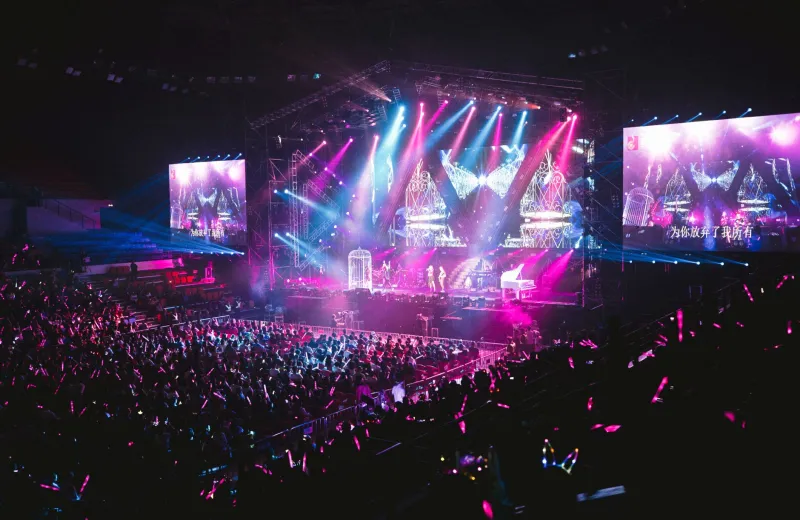
Let's be real for a second. American concert culture is loud, spontaneous, and gloriously chaotic. You scream when you feel like it, you hold your phone up whenever you want, and if the mood strikes, you're dancing in the aisle whether the person next to you likes it or not. That energy works great at a festival in Austin or a stadium show in LA. In Taiwan? It can get you side-eyed by an entire section of fans who have been rehearsing their synchronized light stick routine for three weeks.
Taiwan's live music scene is extraordinary — and if you've already booked a trip around a show, you're clearly doing something right. But before you walk through those venue doors, there's a whole layer of fan culture that nobody hands you a pamphlet about. We've talked to plenty of American attendees who learned these lessons the hard way, and we're putting it all in one place so you don't have to.
Reserved Seating Is Sacred — And Yes, That Means Your Exact Seat
In the US, assigned seating at a concert is more of a suggestion. People migrate, they upgrade themselves when they spot empty rows, and ushers rarely enforce much after the first song. Taiwan operates on a completely different system, and fans take it seriously.
Your ticket number corresponds to your exact seat, and showing up five minutes late and casually sliding into the wrong spot is not a gray area here. Other fans will notice. Staff will come find you. And the person whose seat you're in will absolutely ask you to move, politely but firmly, in the middle of the opening number.
One American fan we spoke with — a K-pop enthusiast from Chicago who attended a major idol group concert at Taipei Arena — admitted she'd shifted two seats to get a better angle for photos. Within minutes, a staff member materialized and escorted her back. "I felt like I'd committed an actual crime," she said. "Everyone was staring."
Get to your seat early. Stay in your seat. If you want to upgrade, do it before the show starts and only in clearly unoccupied sections after checking with staff.
Light Stick Choreography Is Not Optional Participation
If you're attending a show for any major Taiwanese, K-pop, or J-pop act that has an official fan club, there is a very good chance the crowd around you has coordinated exactly what color their light sticks should be, during which songs, and at what tempo. This is not casual — fans study these guides beforehand, shared through fan club forums and social media groups.
American fans often show up with their own random light sticks (sometimes the wrong color, sometimes the wrong brand) and wave them however they feel. To the fans around you who've spent days prepping, this is the equivalent of showing up to a marching band performance and just kind of wandering across the field.
The fix is simple: look up whether the artist has an official fan club in Taiwan and whether they've released a light stick guide for the show. Many fan communities post English translations. If you can't find one, follow the crowd around you and mirror what they're doing. Participating correctly — even imperfectly — is a form of respect that Taiwanese fans genuinely appreciate from international visitors.
Acoustic Moments Are Not Your Cue to Chat
Here's a cultural shift that catches a lot of American attendees completely off guard. When a Taiwanese performer moves into an acoustic or ballad segment, the crowd doesn't just quiet down — it goes nearly silent. Not hushed. Silent. You can hear the artist breathe into the microphone.
This is considered one of the most intimate parts of any show, and fans treat it accordingly. Talking to your friend, rustling through your bag for snacks, or narrating what's happening to someone on a video call (yes, this has happened) is an immediate red flag that you don't understand the room.
An American couple attending a folk-pop show in Taichung described the moment they whispered something to each other during a quiet guitar interlude and received simultaneous stares from at least six people around them. "It felt like we'd talked during a movie funeral scene," one of them said. "We literally mouthed 'sorry' to the strangers next to us."
Treat acoustic segments like you're in a jazz club where the performer is three feet away. Settle in, breathe, and just listen. You'll actually enjoy it more.
The Meet-and-Greet Is a Structured Event, Not a Hangout
If you're lucky enough to score meet-and-greet access at a Taiwan concert, understand that these are highly organized, time-managed affairs. Taiwanese fan culture places enormous value on efficiency and respect for the artist's time and comfort.
What that means practically: you do not freestyle your interaction. There's typically a format — a handshake, a photo, maybe a brief exchange — and the expectation is that you move through it smoothly. Trying to extend your moment, grabbing an unsanctioned extra photo, or launching into a long personal story is considered disrespectful, both to the artist and to the fans waiting behind you.
One particularly cringeworthy story circulated in Taiwanese fan forums after a foreign attendee at a pop showcase tried to give the artist an unsolicited gift outside of the designated gift-receiving protocol. Staff intervened, the moment was awkward, and the story made the rounds online within hours. Fan communities in Taiwan are tight-knit and they talk.
Before any meet-and-greet, read the event rules thoroughly — many venues post them in English or provide translated handouts. Follow the format exactly. A short, genuine interaction done right is worth infinitely more than a prolonged one that makes everyone uncomfortable.
Phone Etiquette: Record Less, Experience More
This one isn't unique to Taiwan, but the social pressure around it is noticeably stronger. Holding your phone up for extended stretches — especially during emotional or high-production moments — draws visible frustration from fans around you. Many Taiwanese concert-goers consider excessive phone use a sign that you're not really there for the music.
A good rule of thumb: capture a few moments early in the show, then put the phone away. You'll have better memories, your arms won't be blocking anyone's view, and you'll actually connect with what's happening on stage. Taiwan's concert productions are genuinely stunning — the lighting, the staging, the crowd energy. You don't want to watch all of it through a four-inch screen.
The Bottom Line
Taiwan's concert culture isn't harder than what you're used to — it's just different, and those differences come from a deep, genuine love of live performance that fans here have built over decades. Respecting the unwritten rules isn't about following a rigid code. It's about showing up as someone who actually cares about the experience, not just the content they can post afterward.
Do a little homework before your show. Mirror the crowd. Stay in your seat. Go silent when the room goes silent. And for the love of everything, sync your light stick.
You came all the way to Taiwan for this. Make it count.