Build Your Concert Passport: A Year-by-Year Strategy for Catching Asia's Biggest Shows in Taiwan
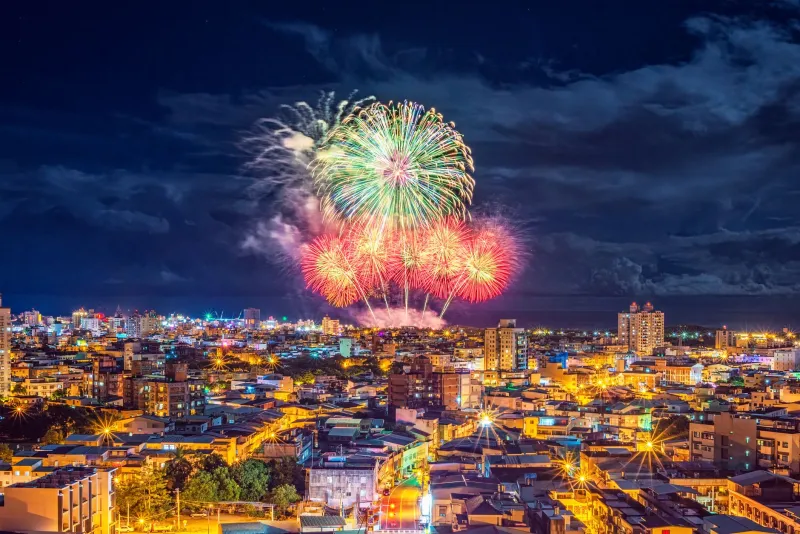
Most American fans stumble into Taiwan's live event scene by accident — a friend mentions a festival, a Reddit thread lights up about a K-pop act hitting Taipei, and suddenly you're booking flights with three weeks' notice and paying through the nose for it. That reactive approach works once. But if you want to turn Taiwan into your annual concert playground, you need a completely different mindset.
Think of it less like vacation planning and more like building a portfolio. The fans who consistently score great seats at great prices aren't lucky — they're operating on a system. And once you understand the underlying logic of Taiwan's event calendar, that system becomes surprisingly easy to replicate.
Why Taiwan's Calendar Has a Logic You Can Actually Learn
Taiwan's live event industry runs on a few predictable rhythms that most outsiders never bother to decode. The island sits at a genuinely strategic position in Asia's touring circuit — it's often an early stop for international acts before Japan or Korea, and it's a reliable anchor point for regional festival circuits that loop through Southeast Asia.
Broadly speaking, the year breaks into three active windows:
Spring (March–May) is when the festival announcements start firing off and international touring acts begin their Asia legs. Weather is mild, crowds are manageable, and ticket prices haven't hit their summer premium yet. This is prime time for catching mid-tier international acts at intimate venues before their profile explodes.
Summer (June–August) is peak festival season. Think large-scale outdoor events, electronic music gatherings, and cultural celebrations that draw massive domestic and regional crowds. It's loud, hot, and absolutely worth it — but you need to plan earlier because accommodation in Taipei fills up fast around the big weekends.
Fall (September–November) is the underrated sweet spot. Post-summer touring cycles bring a second wave of international acts, and the weather cooperates far better than August. Some of the most memorable shows on Taiwan's calendar drop during this window precisely because fewer tourists are thinking about it.
How to Track Artist Touring Cycles Before Announcements Go Public
Here's the part most casual fans skip: touring cycles are predictable if you know where to look. Major international artists — whether they're American pop acts, European electronic producers, or Japanese bands — tend to follow multi-year album release and touring patterns. When a new record drops, a world tour follows within six to eighteen months. Taiwan almost always lands in the first Asia leg.
The trick is watching for signals before the official announcement:
- Follow promoter social accounts in Taiwan. Local promoters like KKLIVE and major venue pages will often hint at upcoming shows through vague posts, venue booking windows, or even just the sudden appearance of translated artist content on their feeds.
- Monitor venue calendars directly. Taipei Arena, Legacy Taipei, and The Wall all maintain booking calendars that sometimes show placeholder holds weeks before public announcements.
- Track fan community chatter in Chinese-language forums. You don't need to be fluent — browser translation tools work well enough to catch phrases like "confirmed" or "presale date" before English-language music media picks it up.
When you start seeing these signals converge, that's your window to lock in flights at base prices before the announcement triggers a search surge.
The Multi-Trip Year: Making the Numbers Work
The biggest psychological hurdle for American fans is the assumption that multiple trips to Taiwan per year is financially reckless. It doesn't have to be. The key is treating each trip as a layered experience rather than a single-event sprint.
A well-structured two-trip year might look like this:
Trip One (April): Built around a spring festival, with secondary shows at smaller venues layered in around it. Stay five to seven days, explore a secondary city like Taichung or Kaohsiung for a night or two, and stack the itinerary with cultural events that don't require tickets at all.
Trip Two (October): Anchored by a confirmed fall tour stop, supplemented by club nights and pop-up events that you've been tracking since the summer. Shorter trip, three to five days, lower accommodation costs because it's shoulder season.
When you book flights four to five months out and use Taiwan's genuinely excellent budget accommodation options, a two-trip year can come in under what some people spend on a single Coachella weekend when you factor in flights from the Southwest.
Building Your Personal Event Intelligence Network
The fans who pull this off consistently aren't spending hours every week on research. They've built a lightweight intelligence system that surfaces the right information without overwhelming them.
Start with a dedicated folder in your email for Taiwan event newsletters. Sign up directly with LGEvent TW and local promoter lists — these often carry early access codes and presale windows that don't circulate on English-language platforms at all.
Create a simple spreadsheet with three columns: Artist/Event, Likely Taiwan Window, and Status. Update it quarterly. You'll be surprised how quickly patterns emerge — certain artists hit Taiwan in the same seasonal slot every cycle, and once you've tracked two or three tours, you can start forecasting with real confidence.
Finally, build a small network of local contacts. Even one or two Taiwanese fans you've connected with through social media can be the difference between hearing about a surprise show the night it's announced versus three days later when the tickets are gone.
The Long Game Pays Off
There's a compounding effect to this approach that takes a year or two to fully appreciate. As you build familiarity with Taiwan's venues, promoters, and seasonal rhythms, your per-trip cost drops and your experience quality goes up simultaneously. You stop paying premium prices for last-minute logistics. You stop missing shows because you didn't know they existed. You start arriving at events knowing the venue layout, the best entry points, and exactly which local food stalls to hit before doors open.
Taiwan's live event scene rewards consistency. The island isn't a bucket-list destination you check off once — it's a platform that keeps delivering if you treat it that way. Start mapping your year now, and by this time next year, you'll be the person in your friend group who always seems to be in the right city at the right time.
That's not luck. That's a strategy.